


Bioluminescence kayaking has become one of the most unforgettable outdoor experiences for adventure lovers. It combines the joy of paddling across calm waters with the wonder of glowing marine life lighting up beneath your kayak. This activity turns an ordinary night on the water into something that feels almost otherworldly. People who try it often describe the experience as magical, peaceful, and unlike anything else in nature.
If you love kayaking and want a way to take your trips to the next level, planning a bioluminescent kayaking adventure is a perfect choice. This guide walks you through everything you need to know, from where to go and when to plan your trip to what gear to bring and the kayaking essentials that make the experience smooth and safe. Whether you are a seasoned paddler or completely new to night kayaking, this article provides clear, easy-to-follow insights to help you enjoy this unique outdoor journey.
What Is Bioluminescence Kayaking?
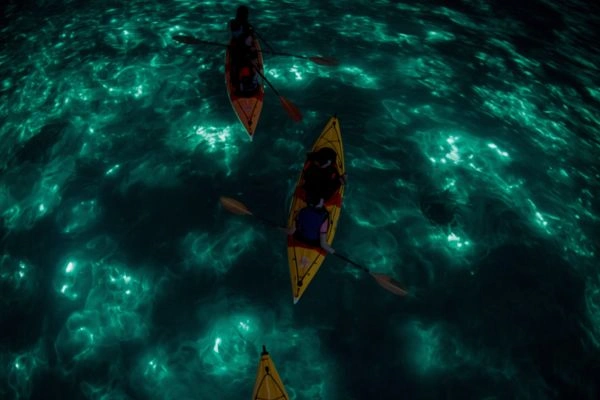
Bioluminescence kayaking is paddling through waters teeming with tiny organisms that emit light when disturbed. These living lights, often called bioluminescent plankton or dinoflagellates, create glowing trails as kayak paddles move through the water.
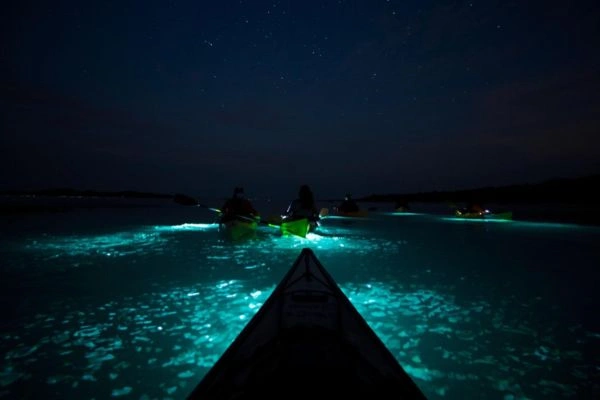
These organisms glow in response to motion, so every paddle stroke, splash, or fish movement can trigger a bright sparkle under your kayak. In some places, the glow is so intense that the water appears to light up like liquid stars. Experiencing this while quietly moving through the water is a moment many describe as life-changing.
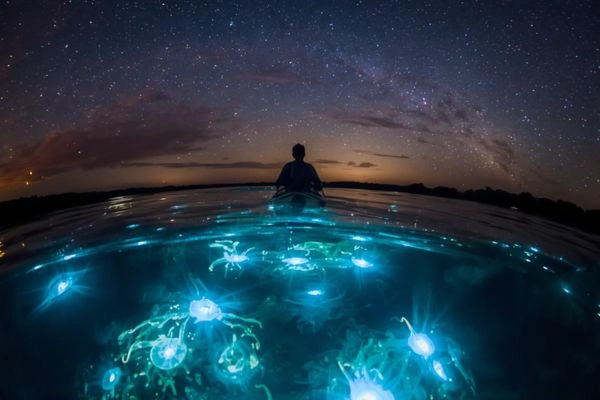
This phenomenon occurs under specific conditions and in specific locations around the world. Not every night or place offers bright bioluminescence, so careful planning is essential to ensure you get the best view possible.
How Bioluminescence Works
Bioluminescent organisms make their own light through chemical reactions inside their bodies. When these tiny creatures are stimulated by water movement, they emit light to startle predators or defend themselves.
The light they produce is often bluish or greenish, though it can vary slightly by species. In the context of kayaking, the glow is most noticeable in calm, shallow waters where these organisms gather in high concentrations.
These glowing waters are a natural phenomenon, not the result of artificial light or pollution. Seeing bioluminescence in person offers a rare chance to connect with a natural light show that predates human technology. It also highlights how interconnected life in the water is to its environment.
Best Places for Bioluminescence Kayaking Around the World
Choosing where to go is one of the most exciting parts of planning a bioluminescent kayaking trip. Certain regions are known for more frequent and stronger glowing waters.
Mosquito Bay, Puerto Rico
Mosquito Bay is one of the most famous bioluminescent spots on the planet. The bay’s waters are filled with high concentrations of bioluminescent microorganisms, making it one of the brightest places to kayak at night.
Visitors can paddle under the stars and see every movement in the water light up beneath their kayak. Tour operators in the area offer guided night trips, which include safety gear, kayak instruction, and a knowledgeable guide to help you navigate the bay.
Because this location is so popular, it is important to book your trip in advance. Guides often know the best times and places in the bay to see the bioluminescent glow at its peak.
Laguna Grande, Puerto Rico
Laguna Grande, also in Puerto Rico, is another strong choice for bioluminescence kayaking. It offers a slightly different landscape and water flow than Mosquito Bay, giving visitors a new perspective on how glowing waters can appear.
Kayaking here at night gives you the chance to see the light show in a quieter setting. Guides in the area also help beginners feel comfortable paddling in the dark and show how to maximize their experience.
Halong Bay, Vietnam
Far from the Caribbean, Halong Bay offers a stunning bioluminescent kayaking experience in Southeast Asia. This location combines dramatic limestone karst scenery with glowing waters, creating a truly unique backdrop for your adventure.
Kayaking here at night is not only about the bioluminescent glow but also about connecting with the quiet beauty of the bay after sunset. It is an excellent option for travelers looking to mix cultural exploration with natural wonders.
Toyama Bay, Japan
In Toyama Bay, rare bioluminescent sea life, such as firefly squid, makes the waters glow in a spectacular display. This marine display often draws nature lovers and photographers from around the world.
Kayaking trips here focus more on watching the natural light show and less on paddling hard. Tour operators often provide clear kayaks so visitors can see the glow directly beneath them, adding another layer of wonder to the experience.
When to Go: Timing Your Bioluminescence Trip
Choosing the right time of year can make a big difference in how bright and active the bioluminescent glow will be.
Seasonal Peaks
Many bioluminescent locations have seasonal peaks when water temperatures, nutrient levels, and organism populations are optimal for glowing activity. For example, Mosquito Bay in Puerto Rico often glows brightly throughout most warm months, while some locations in Asia may peak in specific spring or summer months.
Researching the best season for your chosen destination helps you time your trip better. Local tour operators and visitor centers often provide up-to-date information on bioluminescent conditions, which can vary from month to month.
Moon Phase Matters
The moon’s brightness can affect your ability to see its glow. Nights with little to no moonlight allow the bioluminescent light to stand out more vividly. Many guides recommend planning trips during new moon phases or when the moon is low in the sky.
Checking moon calendars before booking your trip will help you pick dates with darker skies for better visibility of the glowing waters.
Kayaking Essentials for Night Trips
Bioluminescence kayaking is most magical at night, so preparing the right kayaking essentials is crucial for safety and comfort.
Safety Gear
Safety should always be your priority. For night trips, this means:
- Always wear a life jacket or personal flotation device for safety.
- Bringing a waterproof flashlight or headlamp
- Carrying a whistle or signaling device
These items ensure you can stay safe even in low-light conditions.
Proper Clothing
Dressing for your environment is key. Even in warm locations, the water can feel cool at night. Wear lightweight, moisture-wicking clothing that keeps you comfortable and allows freedom of movement.
Some locations may require waterproof layers or warmer garments, so check local weather reports before you go.
Waterproof Bags and Storage
Keeping essentials dry is especially important at night. Invest in waterproof dry bags to store items like your phone, snacks, extra clothing, and a first-aid kit. These bags help protect your gear from splashes and unexpected exposure to water.
Essentials for Comfort
Some additional items worth bringing include:
- A small towel
- Water bottle
- Light snacks
- Bug spray
Comfortable kayaking gear makes the trip more enjoyable, especially if you plan to spend several hours on the water.
Kayaking Gear: What to Bring
Choosing the right kayaking gear ensures your bioluminescence adventure is smooth and fun. While rental options often provide basic equipment, having your own gear can add comfort and familiarity to the trip.
Kayak Type
Recreational kayaks are common for bioluminescence trips, as they offer stability and ease of use. Clear kayaks are becoming popular because they let you see the glow directly under your feet.
These transparent hulls enhance the experience by letting the bioluminescent light show shine right through the kayak’s bottom. Tour operators in popular spots often have clear kayaks available for rent.
Paddle Selection
A lightweight paddle helps conserve energy and makes paddling easier at night. Look for paddles with comfortable grips and blades designed for smooth water movement.
You may also consider paddle leashes to keep your gear secure and prevent loss if the paddle slips from your hands.
Lighting Tools
Even though the bioluminescent glow is the main attraction, some light sources are still useful. Bring low-intensity lights that do not wash out your night vision. Red or dim white lights provide enough illumination for safety without disturbing your view of the glowing water.
Safety Tips for Night Kayaking
Kayaking at night presents unique challenges. Following safety tips ensures you enjoy your trip without unnecessary risk.
Stay With Your Group
Travel with a guide or group whenever possible. Night conditions can make navigation more difficult, and having someone familiar with the area reduces the risk. Guides also share tips for the best viewing spots and ensure you stay on safe water.
Know Your Limits
If you are new to kayaking, start with a beginner-friendly tour. Night trips are more challenging due to limited visibility, so building confidence in daytime paddling first can help.
Check Weather Conditions
Weather can change quickly, and wind or storms can make night paddling risky. Always check local weather forecasts before heading out and be prepared to reschedule if conditions look unfavorable.
How to Capture the Glow on Camera
Many visitors want to photograph the bioluminescent glow. While it can be tricky, the right approach can yield stunning results.
Use Long Exposure
Most cameras have a long-exposure mode, which allows the sensor to remain open longer and collect more light. This helps capture the faint glow of the bioluminescent water.
Keeping the camera steady with a tripod or a stable surface is important to avoid blurry images.
Adjust ISO and Shutter
Experiment with higher ISO settings and slower shutter speeds to capture light in dark conditions. Be mindful that a high ISO can introduce noise into the image. Start with moderate increases and adjust based on how your photos turn out.
Planning and Booking Your Trip
Booking in advance helps ensure you get the best spots and gear for your bioluminescence kayaking adventure.
Choose a Reputable Tour Operator
Look for tour companies with strong reviews and experienced guides. Popular locations often have multiple operators, so reading recent traveler feedback can help you pick the right one.
Experienced guides offer safety briefings, local insight, and gear support to make your trip worry-free.
Reserve Clear Kayaks Early
If clear kayaks are available, they often book up quickly because of their popularity. Reserve these special kayaks early to enhance your experience.
Clear kayaks let you see the glowing water beneath you and create unforgettable visuals.
Local Regulations and Environmental Respect
Keeping natural areas pristine ensures this glowing phenomenon continues for future generations.
Follow Local Rules
Some bioluminescent areas have restrictions in place to protect the delicate organisms and surrounding ecosystems. Pay attention to posted signs and guide instructions.
These rules often limit activity that could harm the water or organisms. Respecting them helps preserve the glow for others.
Minimize Light Pollution
Bright lights can reduce the visibility of the bioluminescent glow. Use dim lighting and avoid powerful spotlights.
Keeping the light low helps you see the natural glow more clearly and protects everyone’s night vision on the water.
Frequently Asked Questions
- What Is Bioluminescence Kayaking?
Bioluminescence kayaking is the experience of paddling through waters filled with glowing organisms that light up when disturbed.
- Where Are the Best Places to See Bioluminescence?
Top spots include Mosquito Bay and Laguna Grande in Puerto Rico, Toyama Bay in Japan, and certain coastal locations in Southeast Asia.
- Do You Need Special Equipment to See the Glow?
Special equipment is not required to see the glow, but clear kayaks and polarized sunglasses enhance the experience.
- How Bright Is the Bioluminescent Glow?
The brightness varies based on organism concentration, water conditions, and moonlight levels, with darker nights offering the most vivid glow.
- Is Bioluminescence Kayaking Safe for Beginners?
Yes, as long as you choose a guided tour, follow safety instructions, and bring the right kayaking gear.
Making the Most of Your Bioluminescence Kayaking Adventure
Bioluminescence kayaking is a magical way to connect with nature and enjoy the water at night. Whether paddling through a glowing bay or quietly watching the water sparkle around your kayak, the experience feels like a dream. With the right planning, the right kayaking essentials, and the right timing, anyone can enjoy this adventure. From choosing the best time and location to bringing the right kayaking gear, careful preparation makes the trip smoother and more memorable.
Respecting local rules and wildlife preserves the glow for future visitors. This unique activity combines adventure, beauty, and calm in one unforgettable trip. With proper preparation, a sense of adventure, and a willingness to embrace night paddling, bioluminescence kayaking can become one of your most cherished outdoor memories.