

What is fly fishing? At its core, fly fishing is a unique type of fishing that uses a lightweight artificial fly to attract fish, rather than a heavy lure or bait. The weight needed to cast the fly comes from a specially designed fly line rather than the fly itself. This method has been practiced for generations and appeals to people who enjoy both the challenge and the peaceful connection to nature that comes with every cast.
Unlike traditional fishing, where the lure is heavy and pulls the line out, fly fishing relies on skill and technique to present the fly naturally on or below the water’s surface. This style of fishing often takes place in rivers, streams, lakes, and even on saltwater flats, and it can be tailored to target many fish species. With the right approach and practice, fly fishing becomes more than catching fish — it becomes an engaging outdoor pursuit.
Introduction to Fly Fishing
Fly fishing has a long history and continues to grow as a sport and hobby. It is often described as a blend of art, patience, and technique. Rather than focusing on simply hooking fish, fly fishing emphasizes how a fly is presented, how the line moves through the air, and how the angler reads water and fish behavior.
For beginners, this might feel like learning a new language, but that is part of what makes fly fishing rewarding. Practice and patience will help you master basic skills such as casting, selecting flies, and reading water conditions. As you learn more, you’ll find that fly fishing offers endless opportunities to explore different environments and techniques.
This article breaks down the fundamentals of fly fishing, explains why it’s special, lists essential equipment, and offers practical tips for beginners.
What Makes Fly Fishing Different?
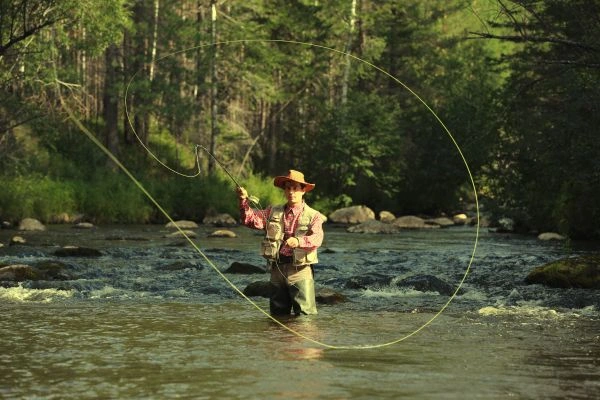
Fly fishing is unique because it uses the line’s weight to cast the nearly weightless fly. In conventional fishing, the lure’s weight carries the line forward. In fly fishing, the line itself carries the lightweight fly during the cast. This difference requires a unique set of skills and tools.
Another key aspect is the variety of fly patterns that mimic insects, larvae, and small aquatic creatures. These artificial flies are designed to fool fish into thinking they are natural food. The fly fisher must learn which patterns work best for specific water types, seasons, and fish species.
The method also involves a variety of casting techniques, such as roll casting and false casting, which help position the fly precisely where fish are feeding or holding. Fly fishing rewards anglers who pay attention to wind, water flow, and fish behavior.
Where Fly Fishing Is Practiced
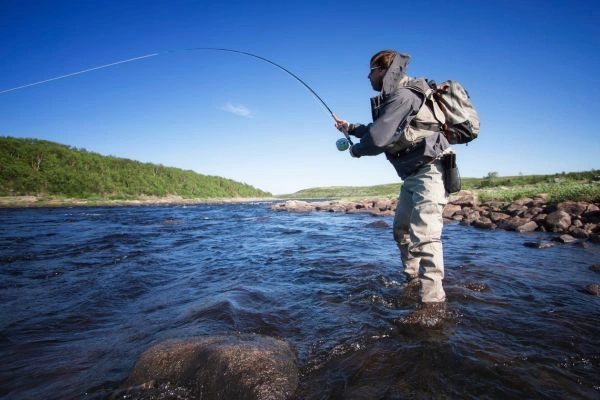
Fly fishing is versatile and can be enjoyed in a range of environments. Freshwater rivers and streams are classic settings, especially where trout and salmon live. In these places, anglers wade into the water to reach productive spots.
Lakes and ponds can also offer great fly fishing, especially for species like bass and panfish. These still waters require different casting strategies but follow the same core principles as stream fishing.
Saltwater fly fishing is another branch of the sport. Here, anglers target species such as redfish, bonefish, and permit in flats or coastal waters. This approach typically uses heavier rods and lines due to larger fish and longer casts.
Fly Fishing Essentials for Beginners
Before heading out on the water, beginners should gather a few key items, known as fly fishing essentials. Starting with the right equipment helps smooth the learning curve and increases success on your first trips.
Fly Rod and Reel Combo
The fly rod and reel serve as the foundation of your fly fishing setup. Many beginners benefit from a matched rod-and-reel combo designed to work together, often including backing and fly line already spooled.
A commonly recommended starting point is a 9-foot rod rated 5-weight. This setup is versatile for a wide variety of freshwater fishing situations, from trout streams to panfish ponds.
Fly Line, Leader, and Tippet
Fly line is unique since its weight allows you to cast the nearly weightless fly with precision. It comes in different tapers and sink rates for specific fishing conditions.
The leader and tippet link the fly line directly to the fly for precise presentation. A standard leader for beginners is around nine feet long and tapers from thicker to thinner material, allowing for a smooth, nearly invisible presentation.
Flies
Flies are small, artificial lures designed to imitate insects, larvae, or baitfish. For beginners, a selection of dry flies, nymphs, and streamers will cover most fishing situations.
Dry flies float on the water surface, mimicking insects that land on the water. Wet flies and nymphs sink below the surface to imitate developing insects, while streamers mimic baitfish.
Waders and Boots
Waders are waterproof pants that let anglers stand in the water without getting wet. Wearing waders opens up access to deeper parts of rivers and streams, which often hold more fish.
Wading boots go with waders and provide traction on slippery rocks and uneven stream beds. They are particularly useful in moving water and colder conditions.
Polarized Sunglasses
Polarized sunglasses help reduce glare on the water’s surface, making it easier to see fish and underwater structures. They also protect your eyes from the sun and errant hooks.
This gear list covers the basics, and you can expand your kit with additional accessories like fly boxes, nippers, and strike indicators as you gain experience.
Understanding Fly Fishing Gear
Getting familiar with your gear will boost confidence on the water. Here’s a deeper look at each component:
Fly Rod
Fly rods vary by weight and length. Weight refers to how far the rod can cast effectively; a 5-weight is ideal for beginners. Longer rods help control line and casting distance.
Fly Reel
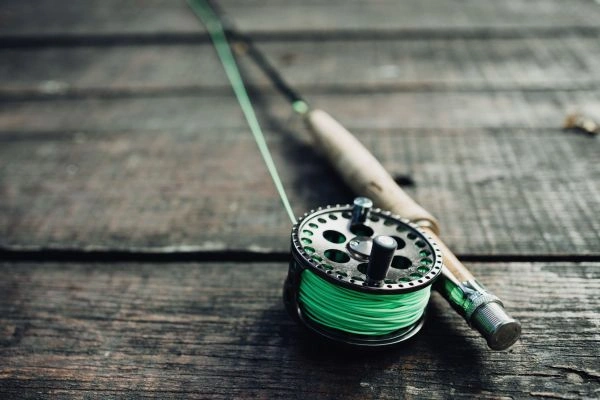
The reel holds backing and fly line and also helps control the fish once it’s hooked. A balanced reel matches the rod’s weight for smoother casting and handling.
Fly Line System
The fly line system includes the backing, fly line, leader, and tippet. The backing gives extra line if a fish runs far, and the leader/tippet connection allows for delicate presentations.
Flies and Fly Boxes
Flies come in many patterns. A basic fly box with compartments keeps them organized, protected, and ready to use.
Essential Fly Fishing Techniques
Learning some basic techniques early will make your time on the water more productive.
Casting Basics
Casting is the cornerstone of fly fishing. Beginners often start with false casting, a method of moving the line back and forth without letting the fly hit the water, which helps build momentum.
A basic forward cast involves lifting the rod and sending the fly line out in front of you in a smooth motion. Practice this on grass or open ground to master the feel before hitting the water.
Reading Water
Recognizing where fish are likely to be helps improve your success. Look for slower water next to faster currents, deeper pools, or shaded areas where fish might hide.
Matching Flies to Conditions
Observe insects near or on the water’s surface and choose flies that resemble their size, shape, and color. Matching what fish are naturally feeding on increases your chances of a bite.
Planning Your First Fly Fishing Trip
Choosing a good location and preparing properly can make your first trip enjoyable and productive.
Choose the Right Water
Look for clear rivers or streams with visible fish activity. Smaller streams with insect hatches are great places to observe fish behavior and practice casting.
Pack Essentials
Bring water, snacks, sunscreen, polarized sunglasses, and any necessary fishing permits. A small gear pack or sling pack helps keep essentials within reach.
Stay Safe
Wading in rivers can be slippery. Always move slowly and use a wading staff if needed. Wear a hat and sunscreen to protect against sun exposure.
Common Mistakes Beginners Should Avoid
Skipping the Basics
Trying to skip basic casting practice often leads to frustration. Fly casting is a skill that takes time to develop, so invest effort in getting it right before focusing on catching fish.
Using the Wrong Gear
Beginners should start with appropriate gear rather than the cheapest or odd combinations. A balanced rod-and-line setup makes casting easier and more enjoyable.
Ignoring Knots
Learning a few essential knots, such as the improved clinch knot for attaching flies, makes rigging easier and prevents lost fish.
Getting Better at Fly Fishing
Fly fishing is a skill that improves with time and practice. Spend time learning casting, tying knots, and experimenting with fly patterns. Watching instructional videos, visiting fly shops, or joining a local fishing club can help accelerate learning.
As your confidence grows, you might explore tying your own flies or fishing in new locations, such as lakes or saltwater flats. The more you practice, the more you learn about how fish behave and how to present your fly most naturally.
Frequently Asked Questions
- What Is Fly Fishing Best For?
Fly fishing is excellent for trout, bass, and many freshwater species because it allows precise presentations in streams and rivers.
- What Gear Do Beginners Really Need?
Beginners should start with a rod-and-reel combo, fly line, leader, a few flies, and polarized sunglasses.
- How Long Is a Good Beginner Fly Rod?
A 9-foot rod with a 5-weight rating is versatile and ideal for most fly fishing situations.
- Do You Need Waders to Fly Fish?
Waders are helpful but not strictly required. You can fish from shore or shallow water without them.
- How Do You Learn to Cast?
Practice casting on open ground using a basic forward cast and false casting to build line momentum before fishing.
Building Confidence on Every Cast
Fly fishing is a rewarding outdoor activity that blends skill, patience, and connection with nature. Participants start with some basic gear and techniques but can expand into more advanced methods and diverse locations over time. By understanding what fly fishing is, mastering essential gear and techniques, and practicing consistently, beginners will find this sport both challenging and deeply satisfying.