


Urban landscapes are changing rapidly, and so are the spaces where people choose to exercise and socialize. Once a niche, largely outdoor-focused activity, climbing has found a permanent place in cities around the world. Indoor climbing gyms have grown from modest facilities into thriving urban hotspots where fitness, social connection, and lifestyle intersect. From Brooklyn to Tokyo, Los Angeles to London, climbing gyms are attracting new audiences, influencing urban culture, and transforming how city dwellers think about fitness and recreation.
The Rise of Indoor Climbing
Climbing has historically been associated with mountains, cliffs, and rugged outdoor adventure. For decades, it was considered a specialized sport requiring technical knowledge, expensive gear, and access to remote locations. As a result, climbing remained largely within small, dedicated communities.
The shift began when indoor climbing gyms started appearing in cities. These facilities made climbing accessible, safe, and convenient for urban populations. Climbers could now train year-round, regardless of weather conditions, and newcomers could learn basic skills without leaving the city.
This accessibility has played a significant role in the popularity of climbing. City dwellers who might never have ventured into a national park or mountain range can now experience the physical and mental challenges of climbing in a controlled, safe environment. In addition, gyms often offer beginner classes, climbing courses, and social events that make the sport inviting for people of all ages and backgrounds.
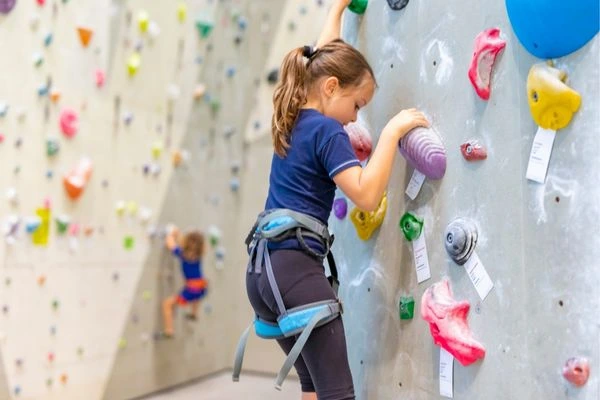
Climbing Gyms as Social Spaces
One reason climbing gyms have become urban hotspots is that they offer more than just physical exercise. Unlike traditional gyms focused solely on weightlifting or cardio, climbing gyms cultivate community. Members often spend hours in the space, not only training but also socializing, attending workshops, and participating in events.
The communal aspect is built into the design of climbing gyms. Belayers and climbers rely on each other for safety, creating natural opportunities for interaction. Many gyms host social nights, competitions, and group classes that encourage newcomers to meet experienced climbers. Cafes, lounges, and co-working areas are increasingly common, making climbing gyms multi-functional hubs where fitness, social connection, and creativity converge.
This social dimension is particularly appealing to millennials and Gen Z audiences who value experiences and community engagement alongside physical activity. The rise of social media has amplified this effect, as climbers share photos and videos from gyms, often highlighting both their skills and the vibrant social atmosphere.
Urban Fitness Trends and the Appeal of Climbing
Climbing fits neatly into several broader fitness and lifestyle trends that are shaping urban health culture. High-intensity interval training, functional fitness, and activities that combine mental and physical challenges are increasingly popular. Climbing offers all of these in one package. It requires strength, endurance, balance, and problem-solving skills, making it a comprehensive full-body workout.
Moreover, climbing challenges people in a way that is often more engaging than repetitive gym routines. The sport is dynamic and varied, with new routes and bouldering problems offering constant mental and physical stimulation. For urban dwellers who may find treadmill workouts monotonous, climbing provides a sense of adventure and accomplishment without leaving the city.
In addition, climbing appeals to the growing interest in wellness and mental health. The focus required while climbing encourages mindfulness, reduces stress, and builds confidence. Many urban professionals see climbing gyms as a form of active meditation, combining physical exertion with mental focus in a way that feels rewarding and holistic.
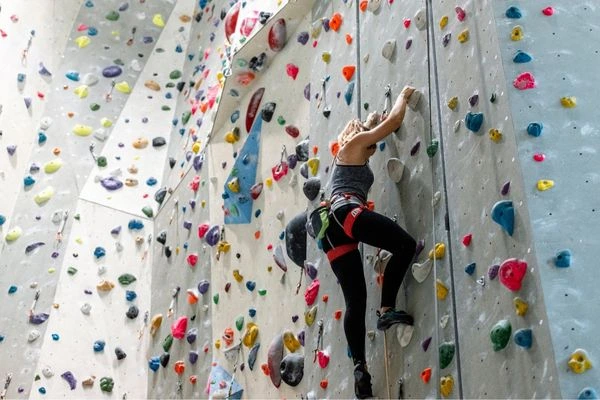
Examples of Climbing Gyms Becoming Urban Hotspots
Several cities provide compelling examples of how climbing gyms have transformed into lifestyle destinations.
New York City
Brooklyn and Manhattan have experienced a surge in climbing gym openings over the past decade. Facilities like Brooklyn Boulders and The Cliffs at LIC offer more than walls to climb. They include cafes, event spaces, and co-working areas. These gyms attract a mix of professional adults, students, and families, creating a diverse urban community. Weekend climbing competitions and themed nights often draw large crowds, making the gyms cultural destinations rather than just exercise spaces.
London
In London, gyms such as The Castle Climbing Centre and Mile End Climbing Wall have evolved into social hubs. The Castle offers workshops on climbing techniques, yoga classes, and community events, while Mile End has become known for its inclusive approach, with sessions for beginners, women, and youth. London’s climbing gyms demonstrate that these spaces can combine fitness, culture, and education while remaining accessible and vibrant.
Los Angeles
Los Angeles has seen climbing gyms integrate lifestyle branding into their offerings. Gyms like Hangar 18 and Sender One combine state-of-the-art climbing walls with wellness programming, cafes, and retail shops. Fitness enthusiasts often come for the workout but stay for the social experience, networking, or to enjoy the atmosphere. Influencers and local media frequently cover these gyms, reinforcing their status as lifestyle hotspots.
Tokyo
Tokyo has seen a unique evolution in indoor climbing culture. Gyms like B-Pump and Gravity Research cater to both serious climbers and casual visitors: many feature rooftop bouldering areas, artistic wall designs, and community events. The Japanese approach emphasizes aesthetics and experience, creating a space where climbing is intertwined with urban culture, design, and social life.
How Climbing Gyms Influence Urban Lifestyle
Climbing gyms impact urban culture in ways that go beyond fitness. They contribute to local economies, create job opportunities, and encourage community engagement. Many gyms collaborate with local artists to design murals and climbing walls, adding aesthetic value to neighborhoods. Retail shops within gyms sell climbing gear, apparel, and wellness products, supporting small businesses and brands.
Climbing gyms also influence lifestyle trends. Urban fashion inspired by climbing apparel, such as technical jackets, climbing shoes, and athleisure gear, has entered mainstream fashion. Social media posts of climbers wearing vibrant gear often spark interest in climbing-inspired streetwear, bridging the gap between sport and everyday style.
Additionally, climbing gyms foster inclusivity and accessibility. Many facilities host programs for underrepresented groups, children, seniors, and adaptive climbers. By making climbing available to diverse urban populations, gyms help integrate fitness, recreation, and social equity.
The Role of Technology
Technology has played a crucial role in making climbing gyms attractive urban destinations. Advanced route-setting software enables gyms to frequently change climbing problems, keeping the experience fresh and challenging. Digital tracking systems enable climbers to monitor progress, set goals, and compete virtually with other members.
Social media platforms amplify the reach and appeal of climbing gyms. Instagram posts of striking wall designs, dynamic climbs, and social gatherings create a sense of aspiration and community. TikTok videos showcasing challenging routes or creative climbing sequences often go viral, promoting gyms to audiences far beyond their local neighborhoods.
Some gyms also incorporate augmented and virtual reality experiences, offering immersive, gamified climbing sessions. These technologies add a futuristic and engaging dimension to the traditional climbing experience, attracting younger audiences and tech-savvy urbanites.
Health Benefits Driving Popularity
The physical and mental benefits of climbing further fuel its popularity in urban centers. Climbing improves strength, flexibility, and endurance while engaging multiple muscle groups simultaneously. It develops coordination, balance, and grip strength. Unlike other forms of exercise, climbing combines anaerobic and aerobic training, providing a comprehensive workout that appeals to fitness enthusiasts seeking variety and challenge.
Mental benefits are equally compelling. Climbing requires problem-solving, focus, and perseverance. Climbers must plan moves, anticipate challenges, and adapt quickly, which enhances cognitive function and decision-making skills. The social component also fosters connection, reducing feelings of isolation common in urban environments.
For city dwellers with busy schedules, climbing offers an efficient and rewarding form of exercise. A single climbing session can combine strength training, cardio, and stress relief, making it an appealing alternative to traditional gyms.
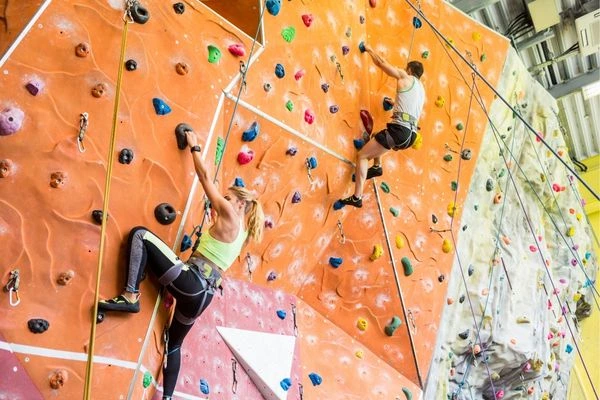
Community and Events
Climbing gyms actively cultivate community through events, workshops, and competitions. Regular competitions encourage friendly rivalry and skill development, while workshops provide education on safety, techniques, and fitness. Many gyms host themed nights, such as yoga-and-climbing combos, beginner social sessions, or climbing movie screenings.
Community engagement extends beyond the gym. Some facilities organize outdoor climbing trips, charity events, and environmental initiatives. This creates a sense of belonging and purpose, reinforcing the gym as an urban cultural hub rather than just a fitness space.
Challenges and Considerations
Despite the popularity of climbing gyms, there are challenges to consider. Urban gyms require significant space, investment, and maintenance: route setting, wall safety, and equipment upkeep demand skilled staff and continuous attention. Membership costs may also be higher than traditional gyms, potentially limiting accessibility for some urban residents.
Safety is another consideration. While indoor climbing is generally safe, accidents can occur, particularly among beginners. Gyms must provide proper training, belaying instruction, and safety equipment to mitigate risks. Insurance and liability concerns are significant factors in the operation of urban climbing gyms.
Lastly, urban planning and zoning regulations can affect the availability of suitable locations. Large facilities require high ceilings, strong structural support, and enough square footage to accommodate climbing walls, bouldering areas, and communal spaces. Not every city neighborhood can accommodate such facilities, which may limit growth potential.
The Future of Climbing Gyms in Cities
The popularity of climbing gyms in urban centers shows no signs of slowing. Demand for fitness experiences that combine physical activity, social engagement, and lifestyle elements is rising. Climbing gyms meet all three criteria, making them an attractive option for investors, urban planners, and communities alike.
Future trends may include hybrid facilities that combine climbing with other fitness modalities such as yoga, pilates, or functional training. Technology integration will continue, with digital route tracking, gamified climbing challenges, and virtual competitions becoming more prevalent. Some gyms may explore AI-generated route setting, personalized fitness analytics, and virtual reality enhancements to stay competitive.
Sustainability is likely to become more prominent. Urban gyms may incorporate eco-friendly materials, energy-efficient lighting, and green initiatives, reflecting the growing consumer demand for environmentally conscious fitness spaces.
Finally, inclusivity will continue to shape urban climbing culture. Programs for children, seniors, adaptive athletes, and underrepresented groups will expand, ensuring that climbing remains a welcoming and diverse community.
Shaping the Future of Urban Fitness and Community
Climbing gyms have grown from niche facilities into dynamic urban hubs that blend fitness, social interaction, and lifestyle experiences. They offer safe, accessible, and engaging climbing opportunities, serving as community centers, cultural destinations, and spaces for personal challenge. Embraced worldwide, these gyms reflect a shift in urban lifestyles toward experiences, connection, and holistic wellness. As cities evolve, climbing gyms continue to provide adventure, creativity, and community, shaping the future of urban fitness and culture.